
Apple sets limits for Apple Intelligence, iCloud+ becomes the new ticket

In iOS 27, some Apple Intelligence features will have a daily usage limit, and subscribing to iCloud+ can unlock higher quotas. This is the first time Apple has clearly priced its AI experience, marking the official transition of its end-to-end AI strategy into a paid phase.
Apple has finally taken action.
On June 9, Apple casually noted in an official statement about iOS 27: Some Apple Intelligence features have a daily usage limit, and most iCloud+ subscription plans can unlock higher quotas. The wording was mild, but in the AI space, this was a flare — Apple’s stance over the past two years of “Apple Intelligence is free for all compatible devices” has, for the first time, developed a real crack.
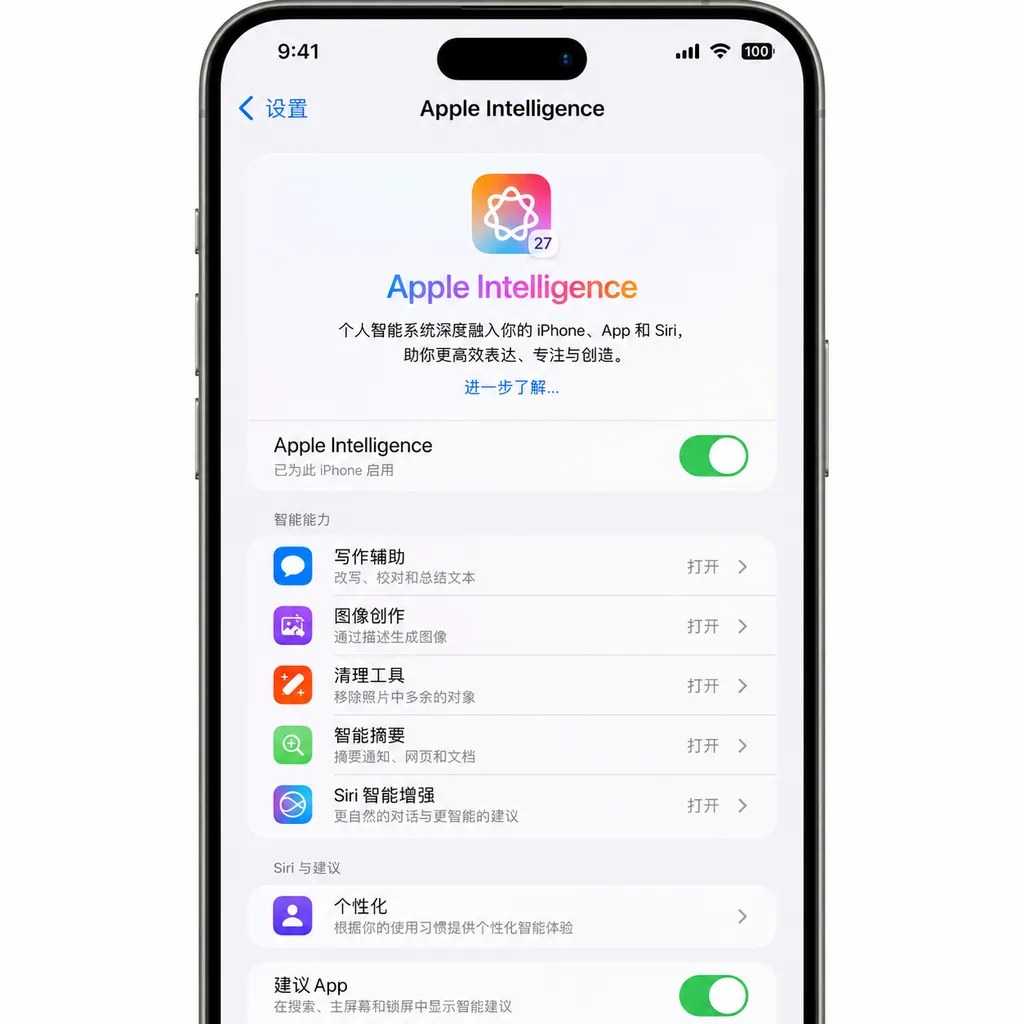
In Apple’s own words: “Some Apple Intelligence features (including image generation) rely on powerful cloud models, and therefore have daily usage limits. Most iCloud+ subscription plans can unlock higher usage quotas, and can also enable Apple Intelligence support for compatible home cameras.”
1. What exactly did Apple change?
Let’s lay out the facts first. iOS 27 isn’t making Apple Intelligence as a whole paid, but is doing three things:
- Added a “daily quota” to features relying on cloud models — most typically image generation features like Image Playground, as well as AI search and Siri deep conversations expected to officially launch in iOS 27 that require Private Cloud Compute.
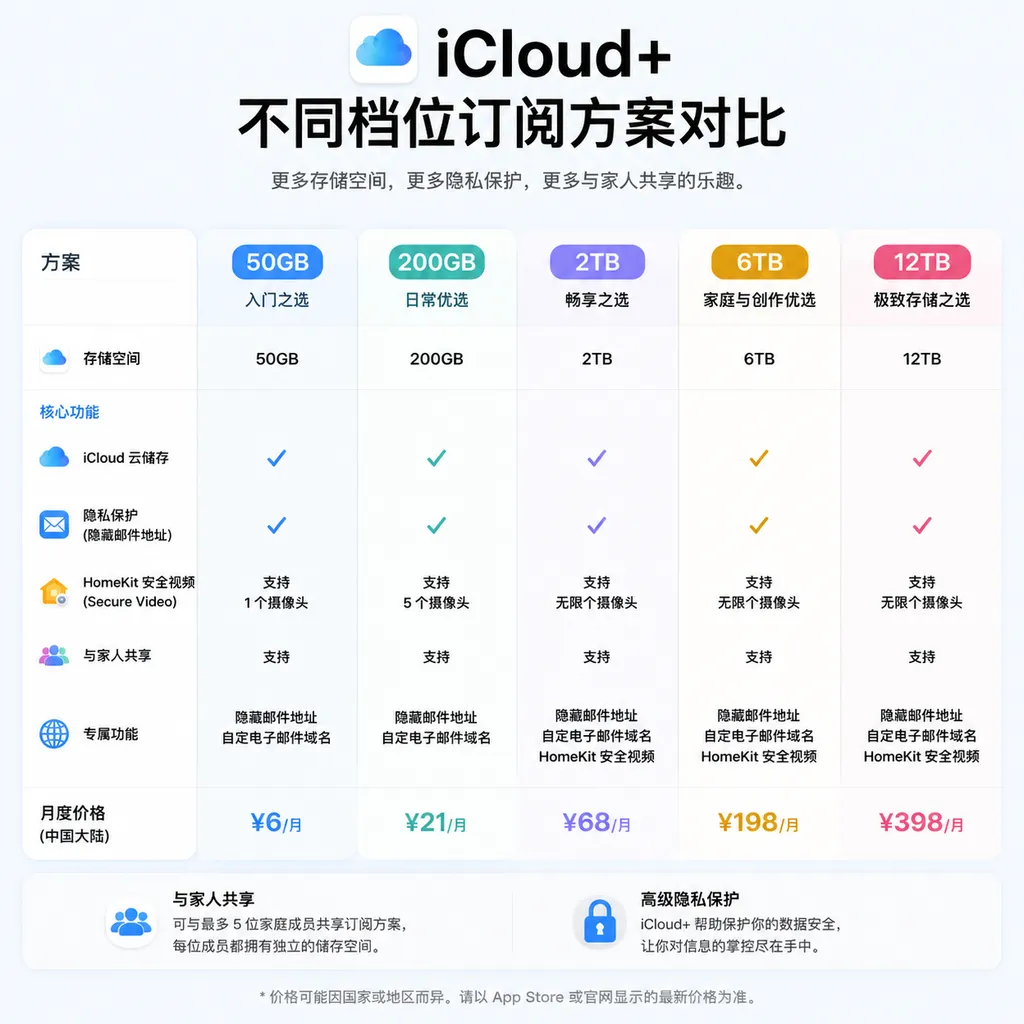
- iCloud+ subscribers get higher quotas. Note Apple’s wording “most iCloud+ plans” — a subtle qualifier that likely means the lowest $0.99/month (about RMB 6.7) 50GB plan is probably not included.
- iCloud+ is also bundling a new perk: compatible home cameras (within the HomeKit Secure Video system) can enable Apple Intelligence enhancements, such as smarter event recognition and natural language search of video content.
In other words, features running on-device (local rewrite via Writing Tools, light processing for notification summaries, basic recognition in Photos) will likely remain free without limits, but anything requiring requests to Apple’s data centers and tapping M-series server compute will now start counting quotas.
2. Why now?
The timing is no coincidence.
Looking back at June 2024 when Apple first announced Apple Intelligence at WWDC, the stance was high-profile free — “free, deeply integrated, privacy first,” with Image Playground even marketed as “unlimited images, try as much as you want.” The strategy was clear: feed users first, build mindshare, then consider monetization.
Two years later, several variables have shifted at once:
First, cloud inference costs have become impossible to suppress. Private Cloud Compute sounds elegant — Apple’s self-developed M-series servers, encrypted links, independent audits — but behind each “elegance” lies real electricity bills and depreciation. Image Playground’s generative loads are particularly costly, and Gurman previously revealed Apple is very sensitive internally to the cost structure of image and video generation.
Second, iOS 27’s AI features are much heavier than the previous generation. According to Bloomberg’s Mark Gurman, iOS 27 is positioned as Apple Intelligence’s “second phase,” focusing on:
- A brand-new AI search tool, aimed at ChatGPT Search, Gemini, Perplexity, supporting complex natural language queries and multi-source information integration
- Complete Siri interface redesign, building on the enhancements released with iOS 26.4 in spring, to make it a “more present” smart assistant
- AI health assistant in the paid Health+ service, analyzing Apple Watch and iPhone health data to provide personalized recommendations
The first two are typical high-frequency cloud invocation scenarios. Search is costly — OpenAI and Google battle fiercely, with each answer backed by expensive inference. If Apple continued “unlimited free,” the financial model couldn’t hold.
Third, Apple needs a new growth story for iCloud+. iCloud+ growth has slowed in recent years, with storage expansion saturated — most users pay for the 50GB plan simply to prevent Photos from warning. Apple clearly wants to upgrade it into “the entry ticket to Apple’s service ecosystem,” stacking AI quota, home camera AI, Private Relay, Hide My Email, one after another, to make the monthly fee more worthwhile.
3. This is not subscription-based — it’s “quota-based”
It’s important to distinguish: Apple hasn’t turned Apple Intelligence into a ChatGPT Plus-like “$20/month unlock premium model” plan, but has taken a more subtle approach — quotas.
This setup is clever:
- For ordinary users, the free tier still “works,” avoiding mass backlash — generating a few memes, running a few searches daily, free quota will likely suffice.
- For heavy users, exceeding the quota prompts iCloud+ upgrades — but they’re upgrading a storage plan, not an AI plan, cleverly wrapped as “I need more storage anyway.”
- For Apple, quotas are adjustable — if cloud resources are tight this year, they’ll lower quotas; if model costs drop next year, they’ll loosen — highly flexible.
But cleverness doesn’t mean there’s no issue.
First, the phrase “most iCloud+ plans” hides a landmine. The $0.99 tier is likely excluded, meaning Apple may have actually raised the threshold to $2.99/month (200GB) or even $9.99/month (2TB). This is especially awkward for Chinese users — with iCloud operated domestically by Cloud Guizhou, plan structures and pricing differ from overseas, so how this AI quota policy will land locally is uncertain.
Second, quota-based systems inherently hinder AI product experience. Generative AI’s delight lies in “trying without thinking,” and once a counter hangs over users reading “8 requests left today,” mindset changes completely. This directly conflicts with Image Playground’s original “unlimited images, try freely” slogan.
Third, this creates a new challenge for developers. When third-party apps call system AI capabilities via Writing Tools or Image Playground API, is the quota counted toward the user or the app? If a third-party app quietly drains a user’s quota, who’s responsible? Apple hasn’t yet published developer documentation to answer this.
4. Horizontal comparison: Apple takes the middle road
Lining up the industry’s approaches makes it clearer:
| Company | AI monetization strategy | | --- | --- | | OpenAI | Clear subscription tiers: Free / Plus / Pro / Team / Enterprise, differentiated by model and quota | | Google | Gemini embedded in Workspace subscription, AI Pro/Ultra sold separately | | Microsoft | Copilot Pro sold separately, enterprise version bundled with Microsoft 365 | | Samsung | Galaxy AI promised free until end of 2025, partial features paid from 2026 | | Apple | AI not sold separately, quota tied to iCloud+ storage subscription |
Apple’s approach is the most “invisible.” They don’t want to bluntly say “AI is worth X dollars” like OpenAI, because it breaks the narrative of “Apple Intelligence is a built-in iPhone feature.” But someone still needs to pay for compute, so the bill is tied to iCloud+.
The upside is avoiding provoking users; the downside is making iCloud+ increasingly ambiguous — is it cloud storage, AI quota, home camera service, or a privacy toolkit? Being everything often means standing out in nothing.
5. What it means for domestic developers
For developers and users in mainland China, things get more complicated.
On one hand, Apple Intelligence’s rollout domestically has already been slow. Collaboration with Baidu and Alibaba for local models has been repeatedly delayed, and as of June 2026, AI features available in the mainland version remain limited. How quota policy will localize and whether domestic cloud providers will need to adjust iCloud plans is still unclear.
On the other hand, for domestic AI app developers, this is proof that: in hybrid AI architectures (on-device + cloud), the cloud portion always carries significant costs. If Apple can’t sustain unlimited image generation, independent developers shouldn’t dream of “free unlimited use” as a foundation.
This is why more teams in the past year have favored API aggregation — one key connects to GPT, Claude, Gemini, DeepSeek, and other major models, billed per call, bypassing subscription walls and regional restrictions. Platforms like OpenAI Hub, compatible with the OpenAI protocol and directly accessible domestically, essentially tackle the problem of “I want the best models but don’t want to open accounts, renew subscriptions, and handle compliance at every provider.” Viewed against Apple adding quotas to Apple Intelligence, it’s easier to understand why independent AI apps struggle with “free-riding on big tech’s capabilities.”
6. A few unanswered questions
Apple’s statement this time was short, leaving more questions than answers:
- Exactly how many daily requests are there? How are Image Playground, AI search, and Siri deep conversations counted respectively? Apple usually doesn’t publish numbers, but more details should surface before iOS 27’s official release.
- How different are quotas unlocked by different iCloud+ tiers? Do $2.99 and $9.99 users get the same AI quota or is it tiered?
- What’s the experience after exceeding quotas? Immediate service denial, downgrade to on-device small model, or pay for extra quota? The user perception differs greatly for each.
- How is quota computed for third-party apps using system AI? This is the top concern for developers.
- What’s the policy for enterprise and education accounts? Does Apple have special quota plans for enterprise deployments?
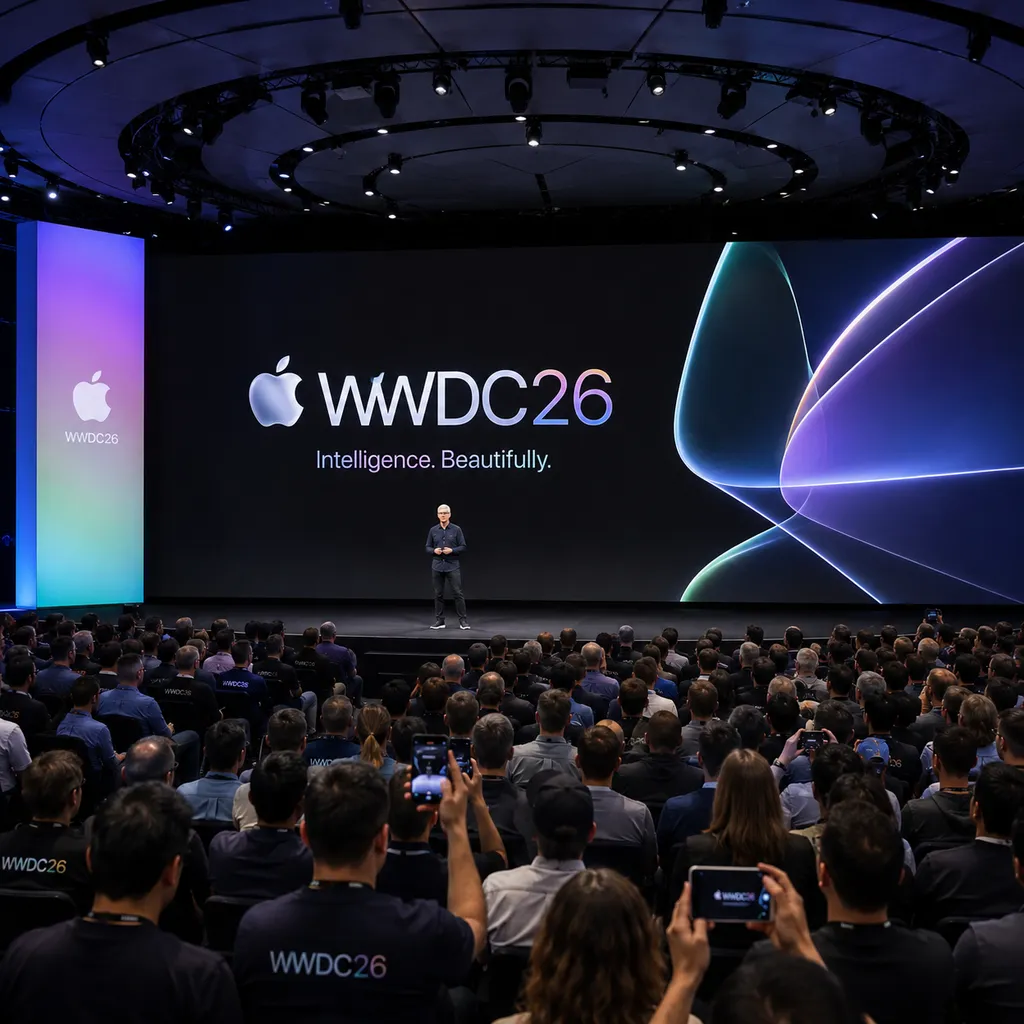
These questions will likely be answered at WWDC 2026’s developer sessions (usually mid-June).
7. In conclusion
Apple setting quotas for Apple Intelligence is, from a product standpoint, a very “Apple” compromise — preserving the free narrative while quietly shifting costs to active, paying users. From an industry perspective, it signals the official end of the brief window of “AI features entirely free” — even the wealthiest Apple is now counting each cloud inference’s marginal cost.
In Apple Intelligence’s second phase, the real challenge isn’t technology but business model. Putting AI capabilities into iPhones isn’t hard; making users accept them, keeping the financials healthy, and ensuring the developer ecosystem wins together is. Quotas are just the start — over the next 12 months, Apple’s AI monetization exploration will see more moves.
Worth keeping an eye on.
References
- Apple iOS 27 system sets daily usage limit for some Apple Intelligence features, iCloud+ subscription can unlock higher quotas - IT Home — IT Home’s first report on Apple’s announcement, includes translation of Apple’s original statement


