
Yisu Cloud Enters the Token Package Battlefield: GPT Model Bundled for Sale, Programming Package Comes with a Free Server
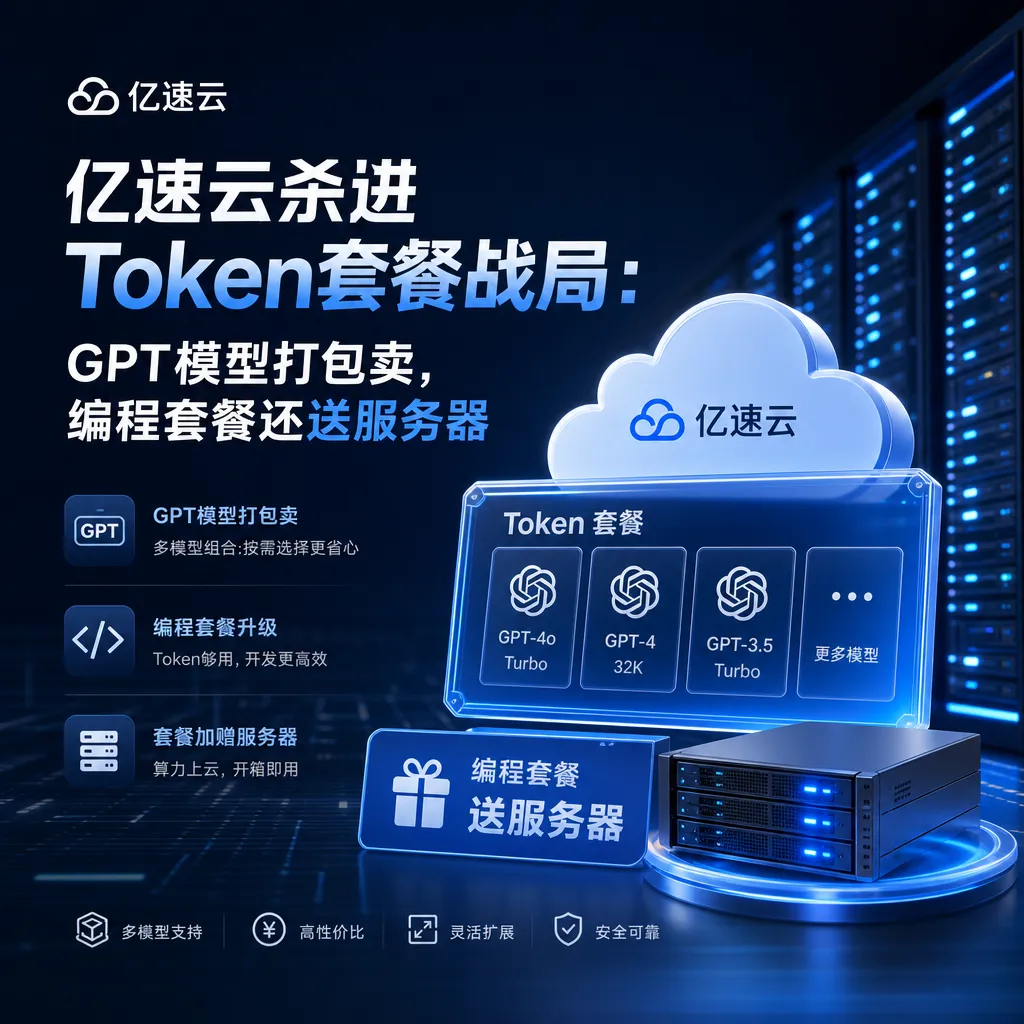
Yisu Cloud recently launched the Token Plan and Coding Plan, focusing on a package that enables domestic access to overseas models such as GPT, Claude, and Gemini. At a time when Alibaba Cloud, Tencent Cloud, and the three major telecom operators are collectively betting on the Token economy, this small-to-medium cloud provider has carved out differentiation through “overseas compliance + dedicated cross-border lines.”
Yisuyun quietly launched two subscription products, Token Plan and Coding Plan, in the past two days. The first mention came from a user on linux.do who saw an ad on WeChat and asked, “Guys, can this thing be used?” After digging around, we found the story to be more interesting than it appears on the surface — it’s not just another vendor jumping on the package bandwagon, but rather looks like the first player among mid-tier cloud providers to figure out what exactly to sell after the Token economy wave hits in the second half of 2025.
In one sentence: what they are selling
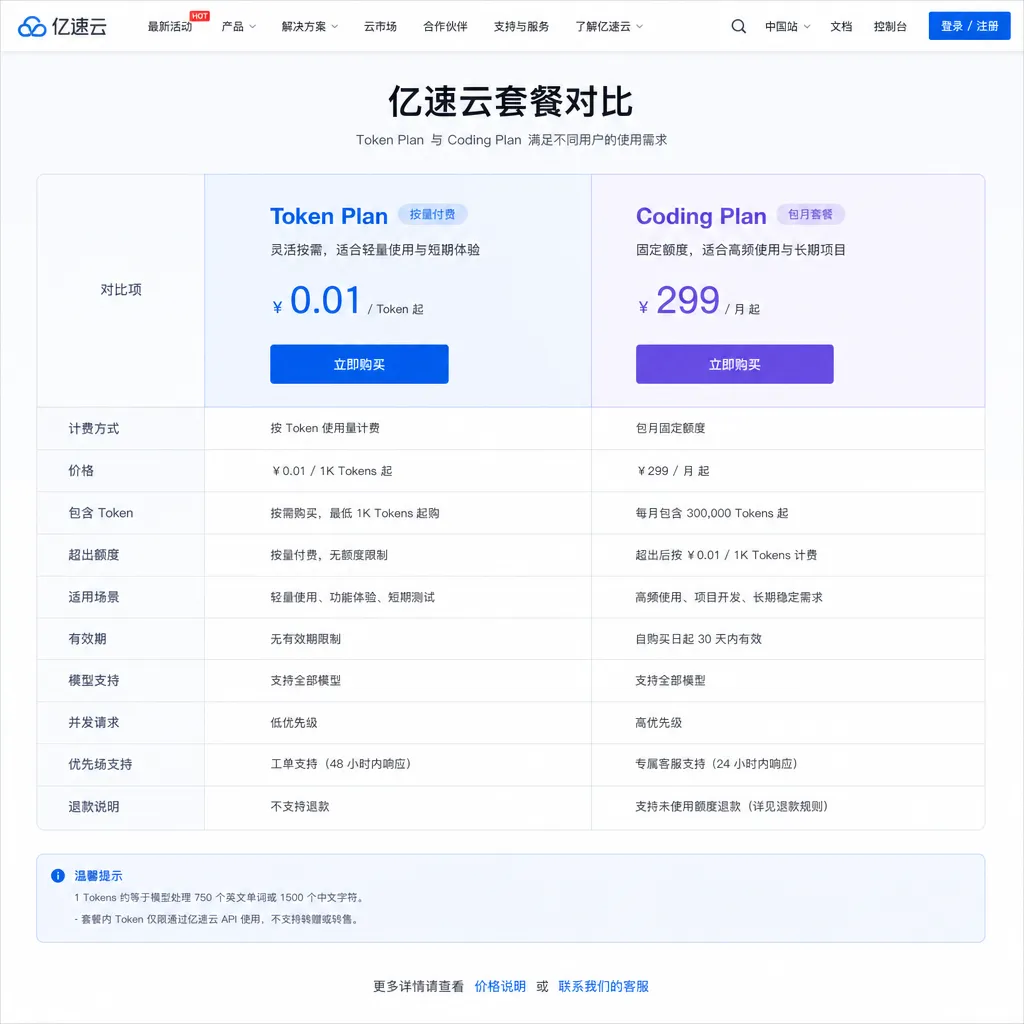
Token Plan comes in four tiers, starting at 100 million tokens, then 300 million, 900 million, and 3 billion. The model pool is quite aggressive: OpenAI GPT‑4o, Claude, Gemini, along with domestic models Tongyi Qianwen, Kimi, MiniMax, and DeepSeek. One key to call them all, unified API interface, OpenAI‑format compatibility — people familiar with this approach will instantly recognize it as the standard AI API aggregation pattern of the past two years.
Coding Plan is a bit counterintuitive. It also has token‑based tiers, but each tier actually includes a server configuration. Forum posts show people puzzled: why would a coding package come with a server?
To understand this design, some context is needed. Coding Plan as a category was first popularized by Volcengine — ¥40/month for 18,000 requests, bound to Doubao; Baidu Qianfan followed with ¥40 and ¥200 tiers; Alibaba Cloud Bailian offers a team version, selling credits by seat — ¥198 for a standard seat with 25,000 credits. All these big players’ Coding Plans essentially package high‑frequency calls to coding agents like Cursor / Claude Code / Cline into a subscription, so you don’t have to worry about per‑token pricing.
Yisuyun’s approach takes it a step further — assuming that when you use AI to write code, you also need lightweight compute to run the code, run agent backends, and host MCP servers. So they directly bundle virtual machine configs into the package. This idea is half‑right: developers do need compute, but binding it to token quotas is redundant for pure API call users.
The real selling point is GPT
Frankly, Yisuyun is not the only domestic company doing token aggregation packages. Tencent Cloud, Alibaba Cloud Bailian, Byte Volcengine, the three major telecom operators, plus a bunch of API relay sites — the track is already crowded. Yisuyun is trying to carve out its niche not through price, but through model availability.
Note the line on their website: “Entrust overseas compliant entity, business never interrupted; cross‑border dedicated lines for low latency and high stability.” In plain language: GPT‑4o, Claude Opus, Gemini 2.5 — these models can be directly called from within China without dropping connections, and since the entity is an overseas company, it won’t suddenly shut down overnight.
This is a very subtle positioning. Alibaba Cloud Bailian’s team version of Token Plan connects to Qianwen, DeepSeek, Kimi, Zhipu, plus the newly added deepseek‑v4‑pro — all domestically commercial‑ready models. Tencent Cloud’s Hy series is bound to Mix Yuan and other domestic third‑party models. The telecom operators — no need to mention, they aggregate self‑developed bases like Yuanjing, Jiutian, Xingchen + domestic models, and offering GPT or Claude is out of the question.
Domestic big players’ Token Plan: Qianwen / DeepSeek / Kimi / Zhipu / Mix Yuan / Doubao
Yisuyun Token Plan: GPT‑4o / Claude / Gemini + above domestic models
For some enterprise users, “being able to call GPT compliantly” is itself a premium worth paying. That forum poster wanted to recommend it to his company — the logic being that internal R&D wanting to use GPT for comparison tests, evaluations, or RAG fallback solutions can go through Yisuyun much faster than applying for Azure OpenAI or setting up overseas legal entities for payment.
Is this thing worth using?
Straight to the verdict: short‑term trial is okay, but be cautious for long‑term heavy reliance.
A few reasons.
First, model availability stability needs observation. All domestic aggregation platforms claiming “direct GPT access” share the same problem: if their upstream channel gets caught in OpenAI’s risk control sweep, all keys are invalid. Yisuyun’s claim of “entrusting overseas compliant entity” is fine, but overseas compliance does not equal official OpenAI authorization. True Enterprise Agreement isn’t something you get at these prices. So we can expect: models will remain usable, but occasional glitches, throttling, or mismatched model versions compared to official releases are highly likely.
Second, permanent validity of quotas is a good design. The website clearly states “balance permanently valid, no expiry.” This is far friendlier than Alibaba Cloud Bailian’s monthly reset logic. For small teams with fluctuating usage, never expiring means you can buy during promotions and use as needed.
Third, Coding Plan’s server config is both a plus and a minus. The plus: for small teams just starting out with no infrastructure, combining AI coding + running agents + MCP in one go is convenient. The minus: for medium to large teams with proper DevOps, this compute is waste — you wouldn’t run production tasks on a server bundled with a package.
Fourth, actual value of unified API. OpenAI‑format compatibility is now the baseline for AI middleware, so Yisuyun doing it isn’t remarkable. The real difference is in model‑switching experience — can you change one line in Cursor’s base_url to use Claude? Can you run Cline through their channel to call Gemini? These need testing.
What is this token package war about
Zooming out, from 2025 to mid‑2026, “selling tokens” has gone from being a model company’s business to an entire cloud industry endeavor.
The Titan Media report explains clearly: the three major telecom operators collectively launched token packages this year — China Telecom ¥39.9 / ¥159.9 / ¥299.9 tiers correspond to 15 million to 150 million tokens; China Mobile MoMA aggregates over 300 models and reduces unit token cost by 30%; China Unicom packages MaaS + tools + compute into credits for flexible billing. On the internet cloud side, Alibaba Cloud Bailian recently ran a limited‑time half‑price promo for qwen3.7‑max credits; Tencent Cloud offers a lite tier at ¥39/month for 35 million tokens.
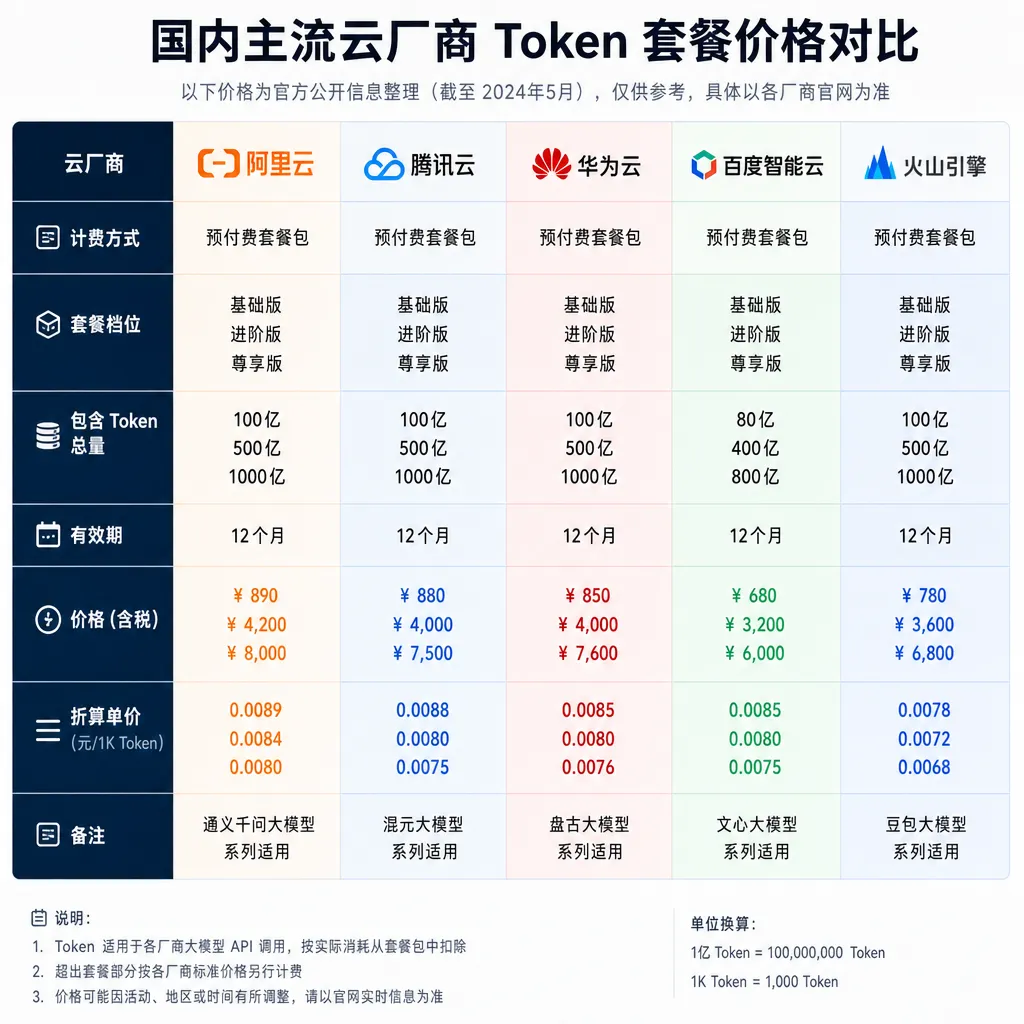
The backdrop is: tokens are becoming the new data bundles. Telecom operators have played the billing + channel game for thirty years, and now abstract tokens into a unified unit, reusing past billing systems directly. Internet cloud providers use credits to smooth multi‑model consumption. Both sides are vying for the position of “total integrator of AI access services.”
Mid‑tier players like Yisuyun can’t compete head‑on with telecoms’ compute networks nor match Alibaba/Tencent’s self‑developed models. Their approach is to exploit gaps — doing things big players aren’t inclined to do. Domestic calling of GPT, Claude, Gemini is such a gap. Similarly filling this gap are platforms like OpenAI Hub (openai-hub.com), dedicated API aggregation platforms with one key for all mainstream models, OpenAI‑format compatible, domestic direct access — highly overlapping in positioning with Yisuyun, differing mainly in product form: Yisuyun is subscription + permanent balance; aggregation platforms lean toward per‑use billing + flexible switching.
For developers, this competition is positive. Two years ago, if you wanted to call GPT‑4 inside China, the only way was to set up your own proxy + use an international credit card; now there are over a dozen aggregation options, with prices dropping.
A final few words
Back to that forum poster’s question: can you recommend it to your company?
If it’s for testing, demos, internal tools, small‑scale RAG verification — yes. The 100 million token tier is enough for a 5‑person team for one to two months. If it’s for production systems, hard SLA requirements, or audit compliance — no. You should use a proper overseas entity + Azure OpenAI or direct OpenAI enterprise contract.
Ultimately, whether a Token Plan can be established in the industry is not about whose package is cheaper, but as Titan Media put it — whether “AI access” can be made into a measurable, billable, operable, and guaranteed telecom‑grade service. Yisuyun’s step is not large, but it is in the right direction. The rest depends on whether they can match their claims with channel stability.
References
- Yisuyun’s token plan and coding plan — anyone familiar? - linux.do — Original forum post, contains screenshots of package tiers and first‑hand user questions
- Telecom operators selling AI data bundles — lifeline or new pipeline? - Zhihu — Industry background analysis of token packages, useful for contextual reading


