
OpenAI “Fixing the Earth” Project: A New Variable in the AI Security Arms Race
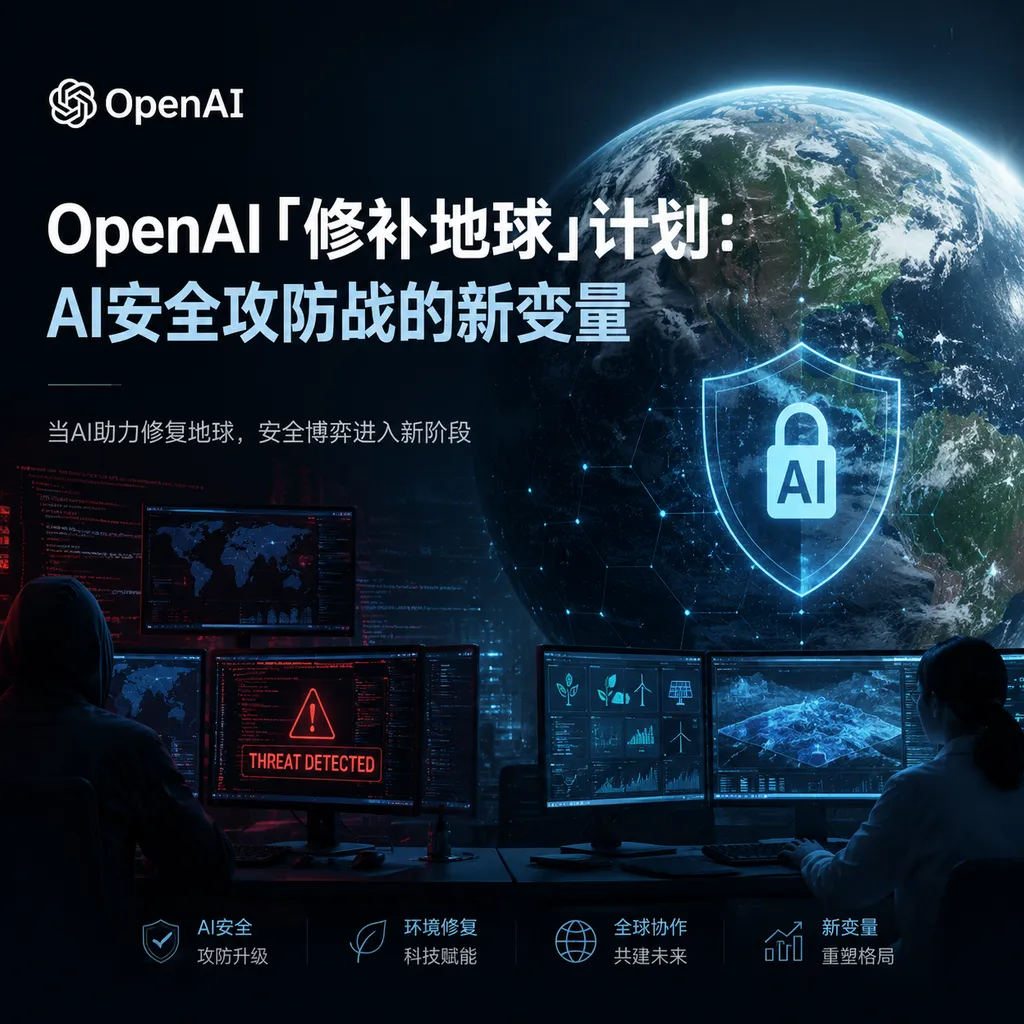
OpenAI and Trail of Bits jointly launched the “Patch the Planet” initiative, using AI tools to help open-source projects fix security vulnerabilities. This is both a positive response to the long-standing security challenges of the open-source ecosystem and is seen as a direct confrontation with Anthropic in the AI security tools domain.
OpenAI “Patch the Planet” Program: A New Variable in the AI Security Offense-Defense Battle
On June 23 Beijing time, OpenAI announced the launch of the “Patch the Planet” program — a project name that sounds like a line from a hacker movie, but in practice is quite pragmatic: helping the open-source community patch vulnerabilities.
The name is indeed a tribute to the 1995 film Hackers. The classic line in that movie was “Hack the Planet.” OpenAI replaced “hack” with “patch,” making its stance clear: AI is a tool we intend to wield on the defensive side.
Core Mechanism of the Program
“Patch the Planet” isn’t something OpenAI is doing alone. They pulled in Trail of Bits, a well-regarded company in the security world, whose client list includes major players like Meta, Zoom, and Airbnb.
How does it work?
Trail of Bits security engineers directly interface with open-source project maintainers, using OpenAI’s Codex Security and similar tools to scan code for potential vulnerabilities. Once vulnerabilities are found, instead of just dropping off a report, they help write patches, create test cases, and finally set up an automated workflow so the project can continue to detect issues sustainably.
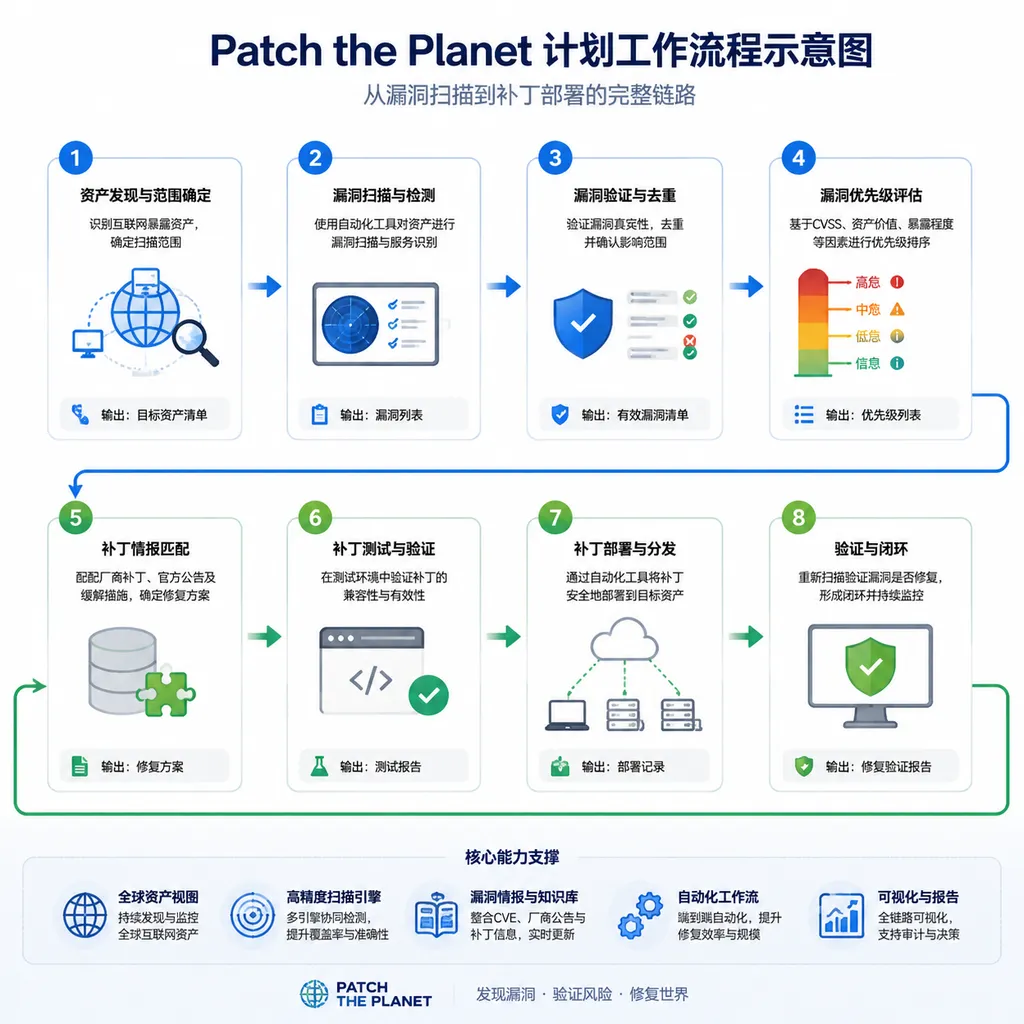
OpenAI emphasized one specific point in its statement: “Designed to reduce burden, not increase it.” The implication behind this is that they’re fully aware of the situation facing open-source maintainers.
Open-Source Security: An Old Problem Never Properly Solved
Why is this program worth attention? Let’s look at reality.
Commercial software worldwide heavily relies on open-source components at its foundation. In your banking app, ride-hailing software, or video platform, how much of the underlying code is open-source? A conservative estimate: over 70%. This is a basic fact of modern software engineering.
The problem: many people writing this open-source code are doing it out of passion, unpaid.
A typical open-source maintainer profile: works a day job, comes home to handle GitHub Issues in the evening, and spends weekends fixing bugs. No dedicated security team, no penetration testing budget, sometimes even CI/CD is just “good enough to run.” This is not an exception — it’s the norm.
The 2021 Log4j vulnerability (CVE-2021-44228) was a concentrated outbreak of this problem. A logging library relied upon by countless companies, maintained by just a few people. Once the vulnerability was disclosed, security teams worldwide worked overnight. In the post-mortem, everyone asked: Why was such critical infrastructure so fragile in terms of its security posture?
The answer is simple: no people, no money, no time.
The number of vulnerability reports keeps rising. The annual additions to the CVE database have more than doubled in the past five years. Open-source maintainers are receiving more and more security tickets, but their capacity hasn’t grown accordingly.
OpenAI’s Tool: Codex Security
At the technological core of “Patch the Planet” is Codex Security, a tool built by OpenAI specifically for security scenarios based on Codex.
Unlike general code generation, Codex Security’s training data includes large amounts of known vulnerability patterns, security best practices, and historical CVE patch examples. It can:
- Enhanced static analysis: On top of traditional SAST tools, use LLM semantic understanding to detect more complex vulnerability patterns
- Patch generation: After pinpointing the vulnerability, automatically generate candidate fixes
- Test case generation: For the patched code, generate tests covering edge cases
- False positive filtering: One of the biggest headaches in security scanning is a high false positive rate; Codex Security helps filter obvious ones
How effective is this tool? OpenAI hasn’t publicly released detailed benchmark data. But the fact they’re partnering with Trail of Bits suggests some confidence — Trail of Bits isn’t the type to stake its reputation on half-baked products.
A Key Detail: Humans in the Loop
The “Patch the Planet” program has one design choice worth noting: AI doesn’t interface directly with open-source projects; Trail of Bits’ security engineers perform a “pre-check”.
This isn’t an optional step.
AI-generated vulnerability reports can contain false positives. AI-generated patches might introduce new issues. AI-generated test cases might lack coverage. These problems are particularly sensitive in security — an incorrect security patch could be more dangerous than no patch at all.
Having professional security engineers as a middle layer is both a responsibility to the open-source maintainers and a pragmatic recognition of AI’s capability boundaries.
Industry Context: The Double-Edged Nature of AI Security Tools
The timing of “Patch the Planet” is interesting. Recently, Anthropic’s AI security tool Mythos sparked notable controversy.
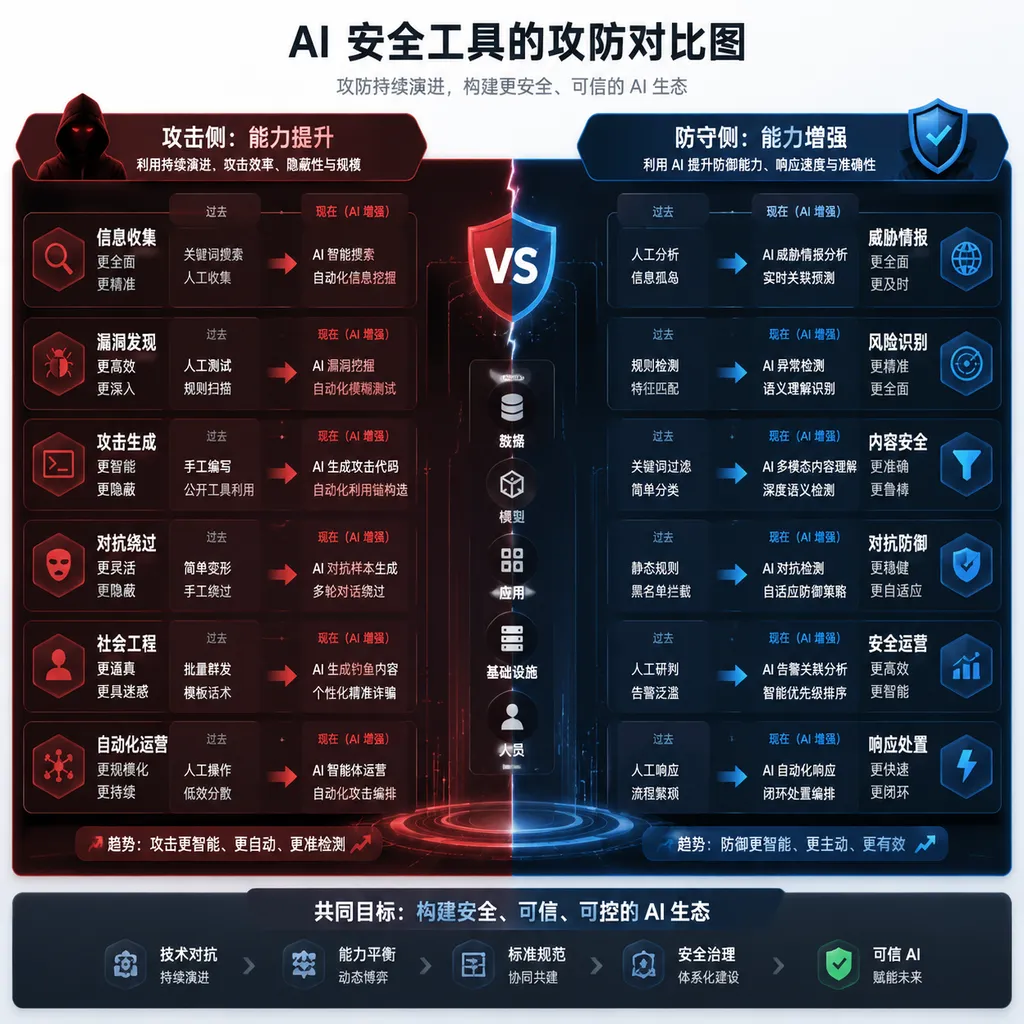
The focal concern: If AI can automatically find vulnerabilities, can it also automatically generate exploit code?
The answer is yes. And it doesn’t take advanced techniques — existing models can be guided to produce it. This has made the security industry nervous — the threshold for cyberattacks is already falling, and AI will accelerate this trend.
Anthropic’s approach to Mythos: restrict access, only open to vetted institutions. Their logic: the tool is too dangerous to release freely.
OpenAI’s “Patch the Planet” takes another path: If AI can help attackers, then it must also help defenders. Instead of worrying about misuse, raise the defenders’ capabilities.
Which approach is right? There’s no definitive answer. But one thing is certain: AI is reshaping capabilities on both offense and defense — focusing only on one side’s risks is incomplete.
Competitive Perspective: OpenAI vs Anthropic
Seeing “Patch the Planet” purely as philanthropy might be naive.
Competition between OpenAI and Anthropic has already extended from model capabilities into application scenarios. Security is a high-value track — enterprises are willing to pay for security tools, and governments for security capabilities.
Anthropic’s Mythos is positioned as a “heavy weapon” — powerful but tightly controlled. OpenAI’s Codex Security is positioned as “infrastructure” — aiming for broader adoption.
From a market strategy standpoint, OpenAI’s move has several intentions:
- Build a “responsible AI” image: In an environment of mounting regulatory pressure, proactively showcase AI’s positive applications
- Collect real-world data: The code and vulnerability data from open-source projects are valuable for training better security models
- Expand enterprise clientele: “Patch the Planet” is free, but Codex Security’s enterprise edition is not
- Respond to Anthropic’s security narrative: They say AI is dangerous and should be controlled; OpenAI says AI can help patch vulnerabilities
This doesn’t mean the program lacks value — helping the open-source community patch vulnerabilities is indeed good. But commercial companies doing good deeds often have commercial considerations.
Limitations of the Program
OpenAI’s statement contains a refreshingly honest line: “Long-term operational mode and scaled rollout plan are currently unclear.”
Translation: This is still an early-stage project. How big it can get and how long it can sustain — they’re not sure yet.
Some real-world challenges:
1. Scale
How many open-source projects are there? Millions of active repositories on GitHub. How many Trail of Bits security engineers? Possibly dozens. Even if AI boosts efficiency tenfold, coverage is an issue.
“Patch the Planet” will most likely prioritize high-impact infrastructure projects (like Log4j). Smaller long-tail projects are unlikely to be covered in the short term.
2. Sustainability
Vulnerability patching isn’t a one-time task. Code changes, new vulnerabilities appear. Building automated workflows is good, but if a project’s maintainers lack security awareness or skill, even a working process can decay over time.
3. Trust
The open-source community’s attitude toward big corporations is often complex. OpenAI, as a commercial entity — will its tools collect code data? Will trained models be available only to paying clients? Without clear answers, some maintainers may keep their distance.
4. Technical Limitations
Current LLMs still have some hard deficiencies in handling code security issues:
- Context length limits: Large projects’ code volume often exceeds what models can process
- Cross-file dependency analysis: Many vulnerabilities require understanding interactions across multiple files or even projects
- Runtime behavior prediction: Static analysis can only find certain types of issues; others only surface at runtime
This isn’t to say AI is useless — just that we shouldn’t expect AI to solve every problem.
Bigger Picture: Systemic Challenges in Open-Source Security
“Patch the Planet” can solve part of the problem, but the fundamental difficulties in open-source security are systemic.
Money: Open-source maintainers generally earn little; many contribute time for free. Enterprises gain huge value from open-source software but return very little to the ecosystem. Some foundations (like OpenSSF) are trying to change this, but progress is slow.
Incentives: Writing new features is rewarding; patching security vulnerabilities is tedious. Security-related PRs in open-source contributor stats often aren’t specially recognized. This naturally lowers security work’s priority in the community.
Responsibility: Open-source licenses generally state “no warranty.” This is reasonable — free software shouldn’t bear legal liability. But it also means that when vulnerabilities cause losses, no one is truly accountable.
Education: Many open-source developers aren’t security experts. They know how to write features but not how to write secure code. Best practices in secure coding aren’t widely disseminated.
OpenAI’s program helps alleviate some symptoms but doesn’t address these root issues.
Practical Relevance for Developers
If you’re an open-source project maintainer, “Patch the Planet” could be good news — assuming your project makes the cut.
If you’re a regular developer, there are a few things worth focusing on:
- Monitor the security status of your dependencies: Use tools like
npm auditorpip-auditto regularly check your dependency chain - Learn basic secure coding practices: Input validation, parameterized queries, and error handling — doing these basics well can block most low-grade vulnerabilities
- Stay alert when using AI-assisted tools: Code generated by Copilot may contain security issues — don’t accept it blindly
Additionally, if your project uses common open-source components, watch whether they get covered by “Patch the Planet.” Covered projects theoretically should maintain better security.
OpenAI’s Recent Moves: Setting Up the Security Narrative
Viewed alongside OpenAI’s recent actions, “Patch the Planet” fits a pattern.
A few days ago, OpenAI announced becoming a platinum sponsor of the Rust Foundation, investing $600,000 in total. Rust is known for memory safety, avoiding entire classes of vulnerabilities by design (like buffer overflows or null pointer dereferences).
Earlier, OpenAI has repeatedly emphasized the security capabilities of Codex and other code-related products. One of ChatGPT Enterprise’s selling points is “more secure.”
Now it’s “Patch the Planet” again.
OpenAI’s investment in security is clearly ramping up. Possible reasons:
- Regulatory expectations: Global AI regulation is tightening; portraying a “responsible” image helps gain policy space
- Enterprise market demand: Security requirements for enterprise clients are getting stricter — they must be met
- Differentiation from Anthropic: Anthropic’s security narrative stresses “risks inherent in AI” while OpenAI’s focuses on “AI helping solve security problems”
Whatever the motivation, for users, these investments ultimately should translate into more secure products — which is good.
Conclusion
“Patch the Planet” is a clearly positioned plan: use AI to help open-source projects patch vulnerabilities and reduce maintainers’ burden.
Can it solve problems? Some — yes. But the systemic challenges in open-source security aren’t something a single company’s project can solve.
More interesting is the signal behind the plan: competition in AI security tools is heating up, and capabilities on both offense and defense are being reshaped. OpenAI chooses to stand with defenders — this stance is arguably more noteworthy than the plan itself.
As for how far the plan will go and its effectiveness, we’ll have to watch its implementation. OpenAI itself admits the long-term mode is still unclear. Start running, adjust while running — very much an internet-style approach.
For the open-source community, having someone willing to help is better than having no one. But don’t expect a savior — security ultimately depends on every individual in the ecosystem being aware and taking action.
References
- ITHome: OpenAI launches “Patch the Planet” program, using AI to help the open-source community improve cybersecurity – Detailed report on the program’s background, partners, and specific mechanisms


